Cracked and chipped glass looks minor until the sun hits it just right on I‑26 and the flaw blooms into a squint-inducing glare. In Charleston, heat, humidity, salt air, and bridge vibration conspire to turn small windshield damage into long cracks at the worst moment. The question I hear most in the Lowcountry is simple: do I repair this chip, or am I better off replacing the entire pane?
I’ll walk you through how an experienced tech weighs that decision for windshields, side windows, and rear glass. We’ll talk about safety, cost, local conditions, ADAS calibration for newer vehicles, and a few real scenarios from around town. Whether you’re downtown dodging palmetto fronds after a storm or you commute from Summerville with 526 construction debris, understanding your options can save time and money, and keep your car safe.
What counts as repairable in Charleston conditions
Not every chip behaves the same, and Charleston’s weather matters. Heat expands glass, afternoon storms drop temps quickly, then a sudden blast of A/C contracts it. That daily thermal cycle stresses any existing damage.
The typical repair threshold has three parts. First, the chip’s type and size. Small star breaks and bullseyes under about a quarter in diameter, as well as short combination chips, are usually good candidates for chip repair charleston sc. Second, its position. Damage in the driver’s primary line of sight is held to a stricter standard because optical distortion after repair can be distracting. Third, depth and contamination. If the chip has a tight impact point and hasn’t been driven through rain for a week, resin can fill it cleanly. If it’s been open to moisture and dirt, it may never clear up completely, even if structurally sound.
Charleston adds two quirks. Live oak pollen is abrasive and can lodge inside a break, and salt spray on the James Island Connector or Ravenel Bridge can leave films that slow resin penetration. If you tape over the chip with clear packing tape as soon as you notice it, your odds of a clean repair go up dramatically.
When replacement beats repair
Even the best tech cannot fight physics. Safety glass is designed to fail in specific ways, and some damage simply compromises the integrity too much to trust a repair.
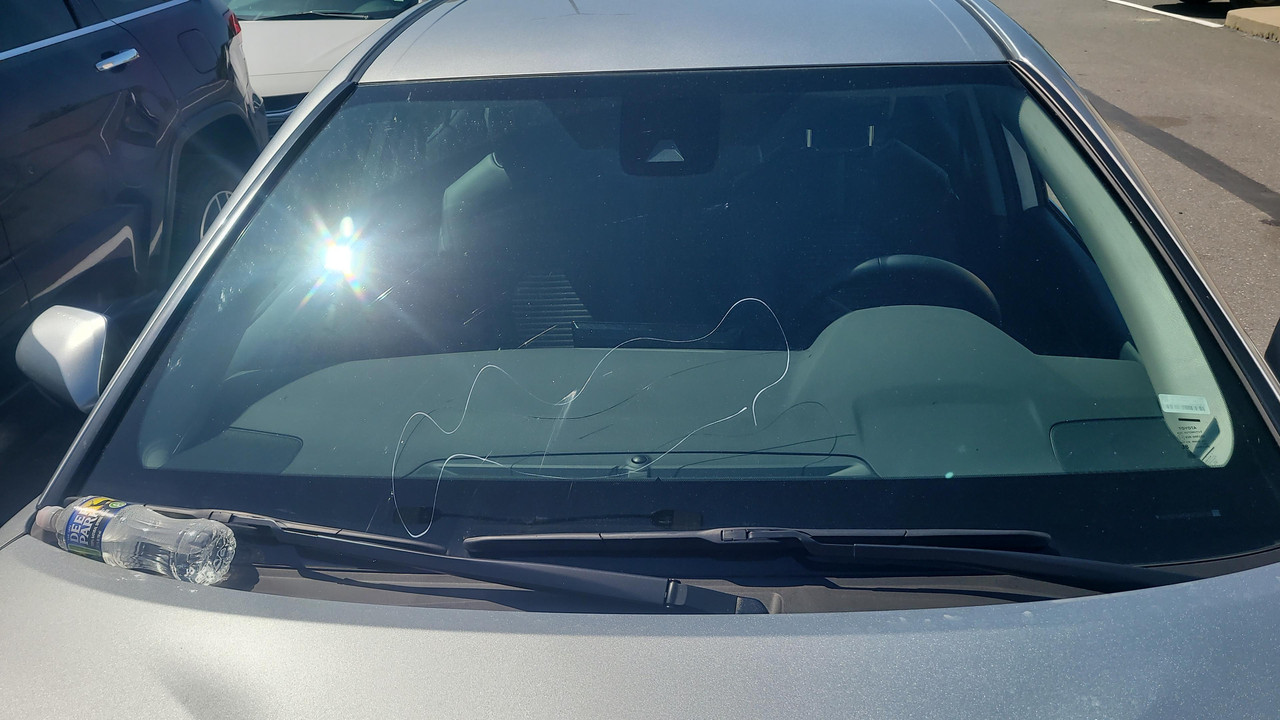
Consider replacement if the crack is longer than roughly 6 inches. There are exceptions, and I’ve stabilized 8‑inch edge cracks that held, but long cracks tend to propagate with Lowcountry heat. If the damage touches the windshield edge, replacement becomes more likely because the edge carries a lot of structural load. Any chip that tunnels through the plastic middle layer or creates a “white line” delamination is a replacement. And if you have multiple chips clustered in the wiper sweep, the resin can intersect repairs and leave wavy optics.
Side and rear glass change the equation. Most of those panes are tempered, not laminated. Tempered shatters into beads when compromised, which is why side and rear window replacement charleston sc is the norm after an impact. A tiny nick on a side window can turn into a full spiderweb from one door slam. Laminated side glass shows up on more premium models for sound reduction and theft resistance, and those can sometimes be repaired if the damage is small, but that’s still rare compared to windshields.
How the decision really happens, step by step
Mobile auto glass charleston sc makes evaluation straightforward. A tech arrives, cleans the area, probes the impact point with a pick to gauge how far the crack legs extend, and uses polarized light to watch how the fracture reflects. If the crack legs move under light pressure, I treat it as a high‑risk repair or a replacement candidate.
Moisture is the stealth factor. On a humid August morning in West Ashley, a chip can be saturated. We’ll use gentle heat to coax moisture out, but if you see fogging within the break after warmup, optical clarity won’t be perfect. Structurally, it can still be acceptable, especially if it sits outside the driver’s main viewing area.
The final factor is time. If you need the car tonight and the damage is borderline repairable, a skilled tech can stabilize it with resin and a pit fill, then revisit if it migrates. If you can leave the vehicle for a few hours, a replacement might be smarter because it resets the clock and preserves value.
Real Charleston examples from the field
A Kia Sorento took a pea‑sized bullseye on Dorchester Road. The chip sat low on the passenger side, clean, and about 2 inches from the edge. Repair took 30 minutes curbside. The driver taped it the same morning and avoided a carwash, so the resin cured crystal clear and the bullseye faded to a faint pinprick.
Contrast that with a Toyota Tacoma that caught a rock on the Ravenel Bridge. The star crack ran toward the top edge within minutes thanks to highway speed, wind pressure, and bridge flex. It crossed into the frit band and touched the edge. We replaced that windshield, performed adas calibration charleston sc for the forward camera, and had the owner back on the road next day. Attempting to repair would have been false economy.
A third case involved a rear quarter window in Mount Pleasant, struck by a stray soccer ball. Tempered glass fractures unpredictably. The pane held initially but “zippered” when the owner shut the door. We did a same‑day side window repair charleston sc by replacing the glass, vacuuming every shard from the door cavity, and verifying the regulator wasn’t damaged.
Safety matters more than cosmetics
It’s tempting to judge a repair on how invisible it looks. I’ve fixed chips that remain faintly visible even though they’re structurally sound. Think of resin repair like a medical splint. The goal is to stop movement and restore strength, not to erase the scar completely. If the impact was dusty or had micro‑air trapped, you might still see a small halo.
Windshield structure also contributes to crash performance. It supports airbag deployment and roof strength in a rollover. If a crack runs into the bond line or the laminate shows white streaks, replacement is the safer route. When we talk about windshield repair charleston sc, we talk about drivers who face blinding sun angles on the Crosstown at 5:30 p.m. A small optical distortion can be more annoying here than in a cloudier climate, so line‑of‑sight standards matter.
Costs, insurance, and what Charleston carriers typically cover
Many comprehensive policies cover chip repairs at no cost to you, with no deductible hit. Insurance auto glass charleston sc partners usually prefer repair for single small chips because it keeps claim totals low and preserves the factory seal. Replacement is covered when damage meets the policy’s criteria, but you’ll often owe the comprehensive deductible unless your policy waives it for glass.
Expect chip repair to range from roughly 90 to 150 dollars retail, depending on access and how many chips. Full windshield replacement varies widely, from 300 dollars for an older compact with no sensors to 1,000 to 2,000 dollars for a late‑model SUV with heating elements, acoustic laminate, and a head‑up display. Rear window replacement charleston sc often sits between 300 and 900 dollars because of embedded defroster grids and trim. Side glass can be 200 to 500 dollars. If your vehicle has a windshield‑mounted camera, factor in calibration costs as well.
Charleston shops that work closely with carriers handle the claim in minutes. If you’re paying out of pocket, ask about pricing for multiple repairs on one visit. It’s common to discount the second or third chip if we’re already on site.
ADAS calibration is not optional on many cars
If your vehicle uses cameras or radar in the windshield area for lane keeping, automatic emergency braking, or adaptive cruise, pulling the glass disturbs camera alignment. After auto glass replacement charleston sc, adas calibration charleston sc verifies that the camera sees straight. Some cars require a static calibration with targets positioned on a perfectly level surface at exact distances. Others need a dynamic calibration that involves test driving at specified speeds while the system learns. Many models need both.
Skipping calibration can produce false alerts or, worse, a system that fails silently. I’ve seen cars that appeared fine in a parking lot but drifted without lane warnings on Interstate 95. The correct process takes time, gear, and space. Some mobile teams carry portable targets and use a level parking pad. Others will do the install on site, then bring the vehicle to a controlled environment for calibration. If you’re comparing quotes, make sure the calibration method matches the manufacturer’s specification and that you get proof of completion.
Mobile service versus shop visits
Mobile auto glass charleston sc saves time. For chip repairs, a clean, shaded, wind‑free spot is enough. I’ve repaired plenty of chips in a driveway under a live oak as long as we keep sap off the glass and leaves away from the resin. Curing lamps help on cloudy days, but Charleston sun does a fine job too.
For replacements, the choice depends on glass availability, weather, and calibration needs. High heat and humidity lengthen urethane cure times, especially if the adhesive is not matched to conditions. If a shop recommends a safe‑drive‑away time longer than you expected on a late July afternoon, they’re taking safety seriously. If your car needs static ADAS calibration, a shop setting may be mandatory. Quick tip: ask your technician how they verify bond strength and how they protect the cowl and paint. A methodical installer will have ready answers.
The Charleston climate factor
Glass durability isn’t the same everywhere. The Lowcountry’s salty air encourages corrosion at pinch welds, the metal channel that holds the windshield. If an old glass job was done with too much primer or too little rust treatment, that corrosion can lift the urethane and cause leaks. Coastal storms add wind‑driven rain that finds any weak point. If you notice a damp floorboard after a squall, you might need glass leak repair charleston sc. Sometimes the problem is a clogged sunroof drain, not the windshield, but a good glass tech will test both.
Temperature swings also accelerate small crack growth. It’s common to see a chip sit stable for weeks, then run 3 inches the day you blast the defrost on a cool October morning. If you plan to delay repair, avoid slamming doors and direct hot air away from the damage. Tape over the chip to keep out moisture. These simple steps can buy time.
OEM, OEE, and aftermarket glass, explained clearly
People often ask about OEM versus aftermarket. OEM glass comes from the manufacturer that supplies the automaker. OEE, or original equipment equivalent, is produced to the same spec and often by the same companies but without the car brand logo. Aftermarket varies more widely.
For many vehicles, high‑quality OEE is functionally indistinguishable from OEM. The coatings, acoustic interlayers, and frit patterns match closely, and ADAS calibrations pass with the same precision. On some late‑model luxury cars with complex head‑up display optics, OEM can produce better image clarity and reduce ghosting. If you drive at night on rural roads outside Johns Island, ghosting from a cheaper windshield can be fatiguing. For work trucks and older sedans, a reputable OEE panel is a smart value.
Ask your installer about brand, not just the OEM label. Names like Pilkington, Saint‑Gobain, AGC, and PGW have strong track records. A transparent shop will show you the part label and explain any trade‑offs. If your insurer pushes a lower‑cost option, you can often request OEM and pay the difference.
What a proper chip repair looks like, start to finish
The process starts with cleaning. We remove loose glass dust, then use a probe to gently open the pit so resin can flow. A bridge tool creates a vacuum, pulling air and moisture out of the break. Then we switch to pressure, feeding resin into the star legs. With Charleston humidity, I’ll sometimes heat the glass slightly, then allow it to cool to encourage resin capillary action. UV light cures the resin within minutes, then we shave it flush and add a pit polish.
A good repair feels smooth under a fingernail, shows no movement at the crack legs when flexed lightly, and leaves only a faint blemish when viewed at an angle. A poor repair sits proud, shows bubbles, or leaves unfilled legs that reflect bright white. If you catch the chip early and keep it clean, results lean toward the former.
When a leak isn’t a glass problem
Every fall, calls pour in after the first real storm. Wet carpet doesn’t always mean windshield failure. Clogged sunroof drains are a Lowcountry classic. Park under pines on James Island long enough and those drains clog, routing water down A‑pillars. Door vapor barriers can fail, letting water slip behind panels. Cabin filters can soak and drip.
A careful water test isolates the culprit. We start with a gentle hose over the windshield. If it stays dry inside, we move to the cowl and sunroof tray, then the door seams. Honest shops that offer glass leak repair charleston sc will tell you straight if the fix isn’t glass, and often they can clear drains or point you to an upholstery or body shop for the rest.
Small habits that prevent big cracks
You can’t dodge every pebble, but a few habits help. Leave space behind dump trucks on 526, especially those with wheel‑well mud frozen to the tires. Avoid slamming doors if you have any existing chip. Keep the interior temp change gradual on hot days. Replace wiper blades before they harden and scrape grit across the windshield. If a chip appears, cover it with clear tape and schedule repair within a few days. That one square inch of tape may be the cheapest car maintenance you do all year.
Repair versus replace, distilled for busy Charleston drivers
Some decisions are clear. A small bullseye, away from the edge, repaired quickly adas calibration charleston sc and you’re done. A long edge crack, a chip dead center in your sightline, or damage that intersects the driver’s camera area, and replacement is the wiser call. Newer vehicles with ADAS need calibration after windshield replacement, and that part is just as important as the glass itself. Insurance often makes chip repair a zero‑cost choice. Side and rear windows that are tempered will almost always be replacements.
Here is a simple, practical snapshot you can use the next time you hear that sharp ping on the Ravenel.
- Choose repair when the chip is smaller than a quarter, not in direct line of sight, sits at least a couple inches from the edge, and is clean and dry. Choose replacement when cracks exceed roughly 6 inches, touch the edge, show white delamination, sit in the driver’s main view with heavy damage, or when side and rear tempered glass is compromised.
Picking a shop you can trust
Skill matters more than a fancy waiting room. Ask how many years the lead tech has, what urethane they use for summer humidity, whether they follow vehicle manufacturer procedures, and how they handle calibration. For auto glass charleston sc, local experience counts because of corrosion and climate. A good shop will talk you out of replacement when repair is truly sufficient and will refuse a repair that risks safety.
If a quote seems too low, something is usually missing, often calibration or moldings. If a quote seems high, ask for a breakdown: glass brand, calibration steps, mobile service, moldings, tax. You deserve a transparent answer either way.
A final word, grounded in the Lowcountry
I’ve seen a tiny chip on a weekday morning grow into a foot‑long crack by sunset after a round trip to Folly Beach. I’ve also seen careful repairs last the life of the car. The difference is less about luck and more about timing, placement, and condition. If you treat damage early and match the fix to the glass and climate, Charleston roads are no obstacle.
If you’re weighing windshield repair charleston sc, auto glass replacement charleston sc, or need guidance on mobile service and calibration, start with a quick inspection. Five minutes of honest evaluation is worth more than any sales pitch. And if all it takes is a clean resin fill and a UV lamp, you’ll be glad you acted before the next summer storm rolls in.